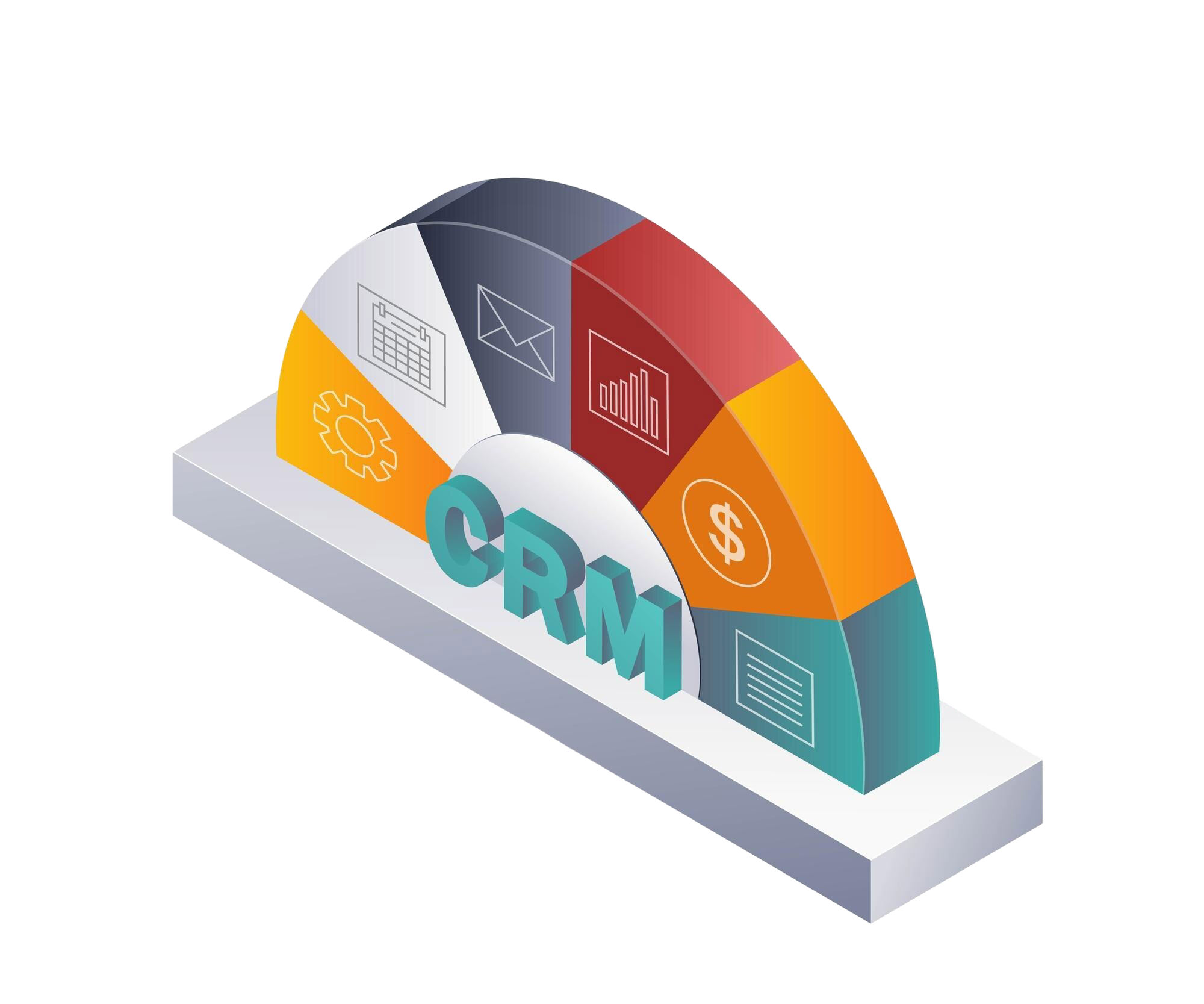
AI Consulting Is Becoming the Core of Modern IT Strategy There is a significant transformation that is happening in the IT consulting industry in 2026 because of fast developments in the realm of artificial intelligence, cloud computing, automation, and modernizing enterprise technology. For companies of different industries, digital transformation is not seen as an option anymore, it becomes essential for survival. As mentioned in the Business Insider report, consulting giants such as McKinsey & Company, PwC, Deloitte, Boston Consulting Group, KPMG, Accenture, EY, and IBM are scaling up their AI consulting services owing to increased demand. The reason why businesses have been increasingly using AI consulting services is to increase efficiency, automate processes, provide improved customer experience, and generate additional revenue channels. Consultancies are offering a wide range of AI services to businesses from predictive analysis to generative AI. AI consulting has entered a new period in which consulting services related to AI become essential for enterprise decision-making and strategy. Digital Transformation Is Accelerating Across Every Industry Digital transformation is something that people in charge of companies are always talking about. They want their companies to be faster and smarter. They also want to make their companies bigger. To do this they are working with companies that help them with technology. These technology companies are helping them make their old systems better and make their work processes easier. They are also helping them make their technology systems work better so they can grow in the future. A lot of companies are having trouble with all the technology they are using. This is why they need help from technology companies. They need help with moving their information to the cloud making their software work together keeping their technology safe and using machines to do work for them. All of these things are very important for companies of all sizes. Companies are not just looking for someone to fix their technology problems. They are looking for someone who can help them make a plan to change their company using technology. They want to make sure the money they spend on technology helps their company do better. There is a report from Business Insider that talks about how companies that help with technology’re changing. They are becoming like partners that help companies come up with new ideas. They are helping companies deal with all the changes that are happening in the technology world. This is also a thing for smaller companies. They can now use technology that was only available to companies. They can use cloud technology and artificial intelligence to compete with companies. They do not have to spend much money on technology as they used to. Digital transformation is helping smaller companies do things. Digital transformation is very important, for companies. They need to use transformation to grow and be successful. Digital transformation is something that companies will be using for a time. Cloud Solutions and Automation Are Driving Operational Efficiency Cloud computing is still one of the biggest drivers for enterprise transformation in the year 2026. Businesses are also exploring hybrid cloud and multi-cloud environments in an effort to enhance their business models with enhanced flexibility, security and scalability. The use of modern cloud solutions will allow organizations to decrease their operational costs while also enhancing their ability to collaborate remotely as well as provide real-time analytics and seamlessly integrate systems across all their global operations. In addition, automation for enterprises is transforming the way businesses operate, due to the emergence of AI-driven automation solutions that enable enterprises to remove tedious manual work, increase employee productivity and reduce the lead time for delivering services across a broad range of functions. Automation of intelligent workflows is being implemented in every aspect of business – finance, customer service, human resources, supply chain management and IT operations. The growing need for IT consulting services that specialize in cloud architecture, automation strategies and enterprise system optimization has been the driving force behind a surge in demand for IT consulting services as a result of the adoption of intelligent workflow automation technology. There is currently a growing trend among consulting firms to combine their offerings of AI consulting services with cloud transformation services in order to fully integrate their clients into a newly created digital ecosystem. Furthermore, those businesses that have successfully embraced automation and the use of cloud-based enterprise technology have been able to provide far superior levels of efficiency, scalability and satisfaction to their customers compared to those organizations that have failed to adopt automated or cloud-based systems and as a result, have been left behind by their competitors in terms of timing of digital transformation initiatives. Enterprise Technology Strategies Are Becoming More Data-Driven The most notable change in the IT consulting sector is how vital data is now to determining enterprise strategy. Companies are relying on AI and advanced analytics to expedite their decision-making, helping enterprise leaders attain a much clearer view of their business operations, customer behaviour, market trends, and financial performance while being supported by intelligent data systems. To assist organisations, today’s IT consulting firms are assisting organisations with the implementation of centralised data infrastructures that can support both insight generation based on Artificial Intelligence as well as predictive decision-making. This work involves the installation of Enterprise Resource Planning systems (ERP), Customer Relationship Management platforms (CRM), BI Dashboards, and Machine Learning models that convert raw data to provide invaluable strategic business insight. As Enterprise technology continues to mature, Generative AI is beginning to have a significant impact on enterprise technology strategies. Businesses are increasingly considering AI-based co-pilots, intelligent virtual assistants, automated reporting systems, and AI-enhanced customer engagement platforms as a means to improve performance levels. As enterprise use continues to grow, the functions of AI consulting services are changing from being primarily technical in nature to being strategic consultants that are directly involved in helping companies grow and maintain their competitive advantage. This trend will continue as companies, in response to continuing changes in customer requirements and market conditions,
The Rise of AI Automation in Enterprise Operations AI is revolutionizing the way businesses work and AI-driven automation has become one of the central pillars in ensuring that firms maximize efficiency and scale their operations. As such, there have been many instances where companies across all sectors have begun implementing intelligent workflows and automation driven by artificial intelligence technologies. One such example can be seen with the recent news that SAP will be investing in n8n, which is a firm dedicated to workflow automation and which, according to a recent report on Bloomberg, is worth $5.2 billion. Why AI Agents and Intelligent Workflows Are Gaining Momentum Current businesses are looking to shift from basic automation to intelligent business processes through AI agents and machine learning technology. Compared to rule-based automation, which requires coding and scripting, AI-based automation solutions can learn from data, adjust workflows, and execute intelligent actions on their own. n8n, an example of software that supports intelligent workflows, has been receiving considerable attention lately due to its ability to help businesses build automated workflows between applications and API endpoints without significant coding efforts. The current wave of automation is seeing businesses automate customer support, finance operations, HR tasks, sales operations, cybersecurity tasks, and IT tasks through intelligent workflows. Enterprise AI Solutions Are Reshaping Digital Transformation The investment made by SAP indicates that there has been a shift towards digital transformation strategies across enterprises, which are being driven through AI automation. Instead of considering automation as an individual IT strategy, organizations have begun to focus on AI automation as a business strategy now. Workflow automation driven by AI allows businesses to decrease workload, prevent any potential bottlenecks, gain more visibility, and enhance their business operations. More organizations have started leveraging AI-based techniques such as generative AI for enterprise software such as ERP and CRM, cloud-based applications, and collaboration platforms to build more effective ecosystems. The Business Impact of AI-Powered Automation The deployment of AI automation is already showing tangible results in various sectors. The adoption of AI-enabled business automation has led to increased efficiency, lower operational expenses, improved compliance management, and quick response rates. Intelligent processes also allow businesses to leverage data for decision-making using predictive analysis and real-time intelligence. But while there are several advantages associated with this approach, businesses will have to contend with issues concerning data protection, AI governance, complexity in integration, and employee adaptability. Effective implementation necessitates an effective automation plan, a scalable platform, and alignment between business objectives and technological innovations. Generative AI and Workflow Automation Are Defining the Next Business Era Generation AI is driving rapid advancements in enterprise automation processes. Companies are integrating AI models within workflow orchestration systems to automate content creation, customer engagements, reporting and analysis tools, application development, and decision-making processes. This trend of AI-enabled automation will help companies deliver personalized experiences to their customers while becoming efficient internally. The increasing use of low-code/no-code automation platforms is making AI automation easy for companies of any size without having to rely on extensive development teams. Intelligent automation will remain an integral part of future workforces and enterprise automation solutions moving forward. How Sprit Network Helps Businesses Accelerate AI Automation and Digital Transformation With AI automation gaining ground as a key priority for businesses today, there is an urgent need for reliable technological partners who can provide efficient implementation of scalable and intelligent automation. Sprit Network provides businesses with a range of services related to intelligent automation of their operations, which include AI automation, optimized workflows, intelligent integration, and digital transformation. From automating tedious business processes to integrating intelligent workflows into various enterprise platforms, Sprit Network assists businesses to become more efficient, cost-effective, scalable, and grow at a rapid pace. With its extensive knowledge and experience in AI automation, cloud computing, cybersecurity, and digital transformation, Sprit Network is helping businesses to create future-oriented operations.
The Rise of AI Automation in Enterprise Transformation The application of AI in automation is quickly becoming the leading catalyst in digital transformation. Whether it’s smart workflow automation, AI-powered automation, or enterprise AI and machine learning-based operations, companies across the globe are making rapid strides toward automation and enhancing their operational capabilities through improved efficiencies and scalability. Companies are not anymore employing automation technology just for their basic tasks, but rather incorporating AI agents, generative AI, and intelligent business processes for applications such as customer care, logistics, security, financial services, and enterprise resource planning. With competition intensifying among enterprises in the digital age, it is fast becoming evident that AI automation will provide the much-needed competitive edge to corporations. Europe’s New AI Rules Signal a Shift Toward Flexible Enterprise Innovation One trend in particular that will help shape the future of AI automation is the recent provisional agreement among European Union lawmakers in terms of AI regulations. According to a Reuters article, Europe has recently reached an agreement regarding AI governance, relaxing some of the requirements which could otherwise impede the growth and use of AI innovations and solutions. It is important to note at this point that although AI regulations play a critical role in the ethical implementation of AI and the protection of valuable data, overly restrictive policies may be detrimental to AI innovation and growth. As such, AI automation projects are presented with exciting opportunities to grow while adhering to regulatory changes. IBM Think 2026 Highlights the Future of AI-Powered Business Automation A notable achievement in enterprise AI took place at the IBM Think 2026 event, where IBM introduced its latest developments in generative AI, intelligent automation, and enterprise AI integration. The highlights included a detailed discussion on how AI agents and workflows are revolutionizing industries through automation of intricate decision-making procedures, improving employee efficiency, and facilitating business intelligence in real-time. The company highlighted its products designed for implementing hybrid cloud AI solutions, intelligent orchestration, and enterprise AI systems that can easily be integrated into the existing business environment. The development further underscores the increasing popularity of enterprise AI as a strategic business enabler rather than just an automation tool. AI Agents and Intelligent Workflows Are Redefining Business Operations Among the major trends in AI automation is the development of autonomous AI agents which can perform multiple-step tasks with minimal human interference. In contrast to conventional automation software, AI agents can process information, interpret context, communicate with systems, and optimize workflows by analyzing data on the go. The development of this trend will lead to a breakthrough in intelligent workflows in industries like healthcare, finance, logistics, retail, and manufacturing. Companies have started implementing automation technology powered by artificial intelligence in customer service, forecasting, purchasing, selling, and regulatory compliance. Along with machine learning and generative AI, this technology enables businesses to build intelligent environments that enhance operational efficiency while lowering the burden on people. Challenges and Opportunities in the AI Automation Landscape Although there have been massive advancements in AI solutions, companies have to grapple with a number of challenges as far as implementing AI automation techniques is concerned. There are issues of data security and privacy, integration and cybersecurity challenges, employee adaptability to change, among other considerations. In addition to this, there are instances where fragmented systems have hindered effective implementation of intelligent process automation. Nonetheless, the same issues also present a great opportunity for companies which are ready to make investments in order to become ready to deploy AI technologies across the board. Enterprises that will adopt intelligent process automation are bound to reap huge benefits in terms of productivity and profitability in the future. How Sprit Network Helps Businesses Accelerate AI Automation and Digital Transformation With increasing demands for automation via artificial intelligence and intelligent business processes, Sprit Network equips businesses with successful strategies to embark on their digital transformation journey through AI-based solutions specifically designed for modern-day requirements. From optimizing workflows and automating businesses, integrating intelligent systems, and implementing AI across various sectors, Sprit Network equips businesses to become efficient and scalable, paving the way towards growth and success. With Sprit Network’s innovative approach that utilizes automation tools and advanced algorithms, businesses can leverage machine learning techniques and gain insight from digital transformation experts to implement smart enterprise solutions.
The Rise of Intelligent Enterprises in 2026 The year 2026 is shaping up to be a defining moment in enterprise technology, where AI innovation, cloud computing, and digital transformation are no longer optional—they are the backbone of competitive advantage. Businesses across industries are rapidly evolving into intelligent enterprises, leveraging advanced technologies to enhance decision-making, automate operations, and deliver personalized customer experiences. The convergence of AI-driven systems with scalable cloud infrastructure is accelerating business automation at an unprecedented pace, making agility and innovation critical for survival in today’s digital-first economy. Agentic AI: The Next Frontier of Automation One of the most transformative IT trends in 2026 is the emergence of agentic AI—autonomous systems capable of making decisions, executing tasks, and continuously learning without human intervention. With companies like Google leading the charge, the introduction of enterprise-grade AI agent platforms is revolutionizing how organizations operate. As highlighted in this recent update on Google Gemini, businesses can now deploy intelligent agents that handle complex workflows, from customer service to internal operations. According to the article on LetsDataScience’s coverage of Google Gemini Enterprise Agent Platform, these innovations are enabling organizations to move beyond traditional automation into a new era of self-optimizing systems (read more here: news). This shift is not just technological—it represents a fundamental rethinking of how work gets done. Cloud Computing Driving Scalable Innovation Parallel to AI advancements, cloud computing continues to be a dominant force shaping enterprise technology. The latest financial results from major U.S. tech giants underscore how cloud platforms are fueling growth and innovation. Companies such as Amazon, Microsoft, and Google are reporting strong gains driven by increased demand for cloud services and AI integration. As discussed in this industry report (news), enterprises are increasingly migrating to the cloud to access scalable infrastructure, advanced analytics, and AI-powered tools. This trend is reinforcing cloud computing as a critical enabler of digital transformation, allowing businesses to innovate faster while optimizing costs and operational efficiency. AI-Powered Digital Transformation Across Industries Digital transformation in 2026 is deeply intertwined with AI innovation. From healthcare and finance to retail and manufacturing, organizations are embedding AI into their core processes to unlock new value streams. Intelligent data analytics, predictive modeling, and real-time insights are empowering leaders to make data-driven decisions with greater precision. Enterprise technology is evolving to support hyper-personalization, improved customer engagement, and streamlined operations. More importantly, AI is enabling businesses to shift from reactive to proactive strategies—anticipating market changes, customer needs, and operational risks before they arise. Enterprise Automation and Operational Efficiency Business automation is no longer limited to repetitive tasks; it now encompasses end-to-end process optimization powered by AI and machine learning. In 2026, enterprises are leveraging automation to reduce human error, increase productivity, and enhance scalability. The integration of AI agents into enterprise systems is enabling seamless orchestration of workflows across departments. This level of automation not only reduces operational costs but also frees up human talent to focus on strategic and creative initiatives. As enterprise systems become more interconnected, the role of automation in driving efficiency and innovation will only continue to expand. Strategic Implications for Business Leaders For decision-makers, these IT trends signal a clear call to action. Investing in AI innovation, cloud computing, and enterprise automation is no longer a future consideration—it is a present necessity. Organizations that fail to adapt risk falling behind in an increasingly competitive landscape. Leaders must prioritize building a robust digital transformation strategy that aligns technology investments with business goals. This includes adopting scalable cloud solutions, integrating AI-driven tools, and fostering a culture of continuous innovation. The ability to leverage emerging technologies effectively will determine long-term success in the digital economy. How We Help You Lead the Future of Technology Adopting these transformative IT trends requires more than just technology—it demands expertise, strategy, and seamless execution. Our IT consulting services are designed to help businesses navigate this complex landscape with confidence. From AI implementation and intelligent automation to cloud solutions and enterprise system integration, we empower organizations to unlock the full potential of digital transformation. Whether you’re looking to deploy AI agents, migrate to the cloud, or optimize your business processes, we provide tailored solutions that drive measurable results. Partner with us to future-proof your business and stay ahead in the rapidly evolving world of enterprise technology.
The Rise of Agentic AI and Autonomous Enterprise Systems The current state of IT trends 2026 is being revolutionized by the rapid development of agentic AI, which refers to intelligent systems designed to make decisions independently and execute tasks without the need for human intervention. A recent development by Oracle is a clear manifestation of the current shift in the development of intelligent systems, as the company is in the process of redesigning its enterprise applications to accommodate AI agents designed to autonomously manage finance and procurement operations. As reported by Reuters, the use of AI in this context is not only assisting in the operations but is rather independently executing the workflows, thereby transforming the concept of enterprise applications into self-operating enterprise ecosystems. This development in the context of AI innovation represents a significant milestone in the use of intelligent systems, as businesses are no longer relying on the operations of human beings. Rather, intelligent agents are being utilized to streamline the process of decision-making, thereby enhancing the efficiency of operations in various departments. AI-Driven Internet: A New Digital Reality Another major factor that is going to influence the future is the increasing rate at which AI-generated activity is growing on the internet. Based on the insights obtained from The Economic Times, it was revealed that AI-generated traffic growth has reached unprecedented levels, with bots and AI systems dominating the activity on the internet. This implies that the future of the internet will be characterized by a hybrid environment where both humans and AI exist, with the latter playing a major role in the ecosystem. For business organizations, the future of the internet presents a number of challenges and opportunities. For instance, AI has the potential to provide a number of benefits to business organizations, but at the same time, it has also created a number of challenges that business organizations need to address in order to operate effectively in a future where AI has become the new norm. Cloud Computing Becomes the Foundation of AI Transformation With this, cloud computing remains at the core of artificial intelligence adoption, and this is expected to continue in the near future. Today, cloud computing is no longer a simple storage system, but it is moving towards becoming a smart system that is capable of supporting artificial intelligence models. This has allowed businesses to grow quickly, yet in a cost-effective manner. The combination of artificial intelligence and cloud computing is leading to what is being referred to by many experts in the industry as “Cloud 3.0,” where it is possible for businesses to implement artificial intelligence-based applications seamlessly in a distributed cloud environment. Enterprise Automation and Digital Transformation at Scale The combination of AI and cloud technologies is enhancing business automation across various industries. Organizations are moving towards fully automated business workflows, wherein repetitive tasks are executed by intelligent systems. This not only enhances productivity but also enables human talent to be directed towards strategic and creative initiatives.In terms of enterprise technology, automation is becoming a major differentiator for businesses. Organizations that are able to successfully implement AI-based automation can reap the rewards of timely decision-making, precision, and customer delight. As the concept of digital transformation continues to change and improve, businesses need to take a proactive stance in integrating automation into their workflows. Strategic Implications: Balancing Innovation with Risk While the benefits of AI and automation are considerable, it is important to note that there are associated risks that organizations must be able to manage effectively. For instance, the emergence of AI-based technologies presents a potential risk of cybersecurity, data privacy, and ethical issues. As organizations continue to adopt more advanced technologies, it is crucial that they develop governance strategies that ensure their infrastructure is secure. Managers must be able to find a delicate balance that ensures organizations are able to tap into the benefits of new technologies without risking their security. How Sprit Network Helps You Lead in the Era of AI and Digital Transformation In the rapidly changing world of IT trends 2026, it is crucial for every business to find the right technology partner. Sprit Network is here to help you take charge of your business by providing cutting-edge technology solutions in AI implementation, cloud computing, digital transformation, and enterprise system integration. With Sprit Network, you can take your business to new heights with intelligent automation systems, scalable cloud solutions, and more. With years of experience in transforming complex operations into efficient digital ecosystems, we can help your business not only keep up with changing times but also take charge of that change. Whether you want to automate your business, improve decision-making, or create a platform for growth, we can help.
The Rise of AI Agents in Enterprise Workflows Artificial Intelligence is no longer an auxiliary tool; it is now the main decision-making system for today’s businesses. A recent report by Reuters showcases the evolution of Oracle’s finance and procurement processes through the integration of AI agents that can perform tasks independently. This is not only automation; this is the future where AI agents can think and act independently. This change is a wake-up call for business leaders everywhere. The future is no longer just an ERP system; it is now an intelligent system that can perform predictive and autonomous actions. Tasks can now be done independently and more efficiently, making businesses more efficient and reducing costs. AI-Powered Devices and the Future of Hybrid Work However, innovation does not have to be confined to backend solutions. Coverage from The Economic Times suggests that a new generation of PCs, with a focus on hybrid work environments, is being led by HP, which includes AI within its PCs. This represents a significant advancement in workplace technology because employees are no longer reliant on cloud-based solutions for AI, with intelligence now included at the edge for faster performance, lower latency, and improved privacy, particularly for organizations adopting a hybrid approach to the workplace. Business Impact: Efficiency, Cost Savings, and Competitive Advantage The convergence of AI Agents and AI Devices is changing the business ecosystem for organizations that are adopting these technologies, as they are experiencing significant benefits in terms of: With the help of AI automation, organizations are shifting from reactive business operations to proactive business strategies, as these technologies can help businesses predict procurement risks in advance, as well as increase employee productivity with the help of AI PCs. In a highly competitive business environment, organizations can reap a significant competitive advantage by adopting these technologies, as businesses can react, innovate, and deliver better customer experiences with the help of these technologies compared to traditional systems. Emerging Risks: Security, Control, and Ethical Concerns However, with great power comes great risk, and as these systems become more autonomous, organizations face significant risk in the form of: Financial and procurement systems can be a target for AI agents, which can be a high-value target for a cyber attack. Also, with the introduction of AI-enabled devices, organizations are left with the challenge of ensuring these devices are also secure. This brings about the need for organizations to consider the integration of AI governance, cybersecurity, and monitoring with the use of AI. The Strategic Shift: From Automation to Intelligent Transformation What we see today in 2026 is not just automation; we see a transition to intelligent enterprise transformation. We do not see AI tools in isolation; we see them becoming deeply embedded in: The key to success for businesses will be how they adapt their strategies to meet this new reality of AI becoming deeply embedded in their operations while still maintaining control and compliance. We need to get away from experimentation and into a structured AI adoption roadmap. How Sprit Network Helps Businesses Navigate AI Automation Safely As the AI automation revolution continues to transform the enterprise landscape, organizations need not only technological solutions but also expertise that will help them implement, secure, and deliver AI solutions effectively. This is where Sprit Network is playing a critical role. Sprit Network is a facilitator that enables organizations to effectively implement AI-driven solutions, ensuring that they are not only secure, scalable, and compliant but also that they deliver the best experience for organizations that need end-to-end solutions for adopting AI solutions. This ranges from securing AI-driven infrastructures to protecting sensitive data within an enterprise environment. With expertise in cloud security, data security, perimeter security, and advanced monitoring, Sprit Network is ensuring that not only is the power of AI systems harnessed for organizational success but also that they are fortified against any potential cyber threats that may come their way.
1. The Rise of AI Automation in Modern Enterprises Artificial Intelligence automation is no longer an upcoming idea, but rather a necessity for businesses. Organisations across various sectors are embracing AI-powered solutions to enhance efficiency and cut down on manual labor. Industry events such ZohoDay 2026 AI and Low‑Code Automation Insights and AI‑Driven Retail Media Automation at eTail West 2026 demonstrate how businesses are shifting from pilot projects to fully-fledged automation. The current state of AI technology is not only supporting employees but also automating business processes and making decisions. This marks a significant shift in the evolution of automation, which is no longer a simple tool but an intelligent business environment that can adapt in real-time. 2. Low-Code Platforms Powering Business Innovation One of the most significant and exciting trends that was highlighted at ZohoDay 2026 is the development of AI-based low-code platforms that aim to democratize the development of technology. Today, companies do not require massive engineering teams to develop complex applications. Rather, platforms such as Zoho’s AppOS allow companies to leverage the power of artificial intelligence and low-code development, which enables various departments within an organization to automate processes and develop digital solutions at a much faster pace. As highlighted at the event, companies today are increasingly focusing on platforms that bring data, automation, and applications together in a single operating environment. 3. AI Automation Shifting from Tools to Intelligent Systems The conventional automation was limited to the execution of repetitive tasks. Nevertheless, the recent developments suggest the shift towards intelligent automation systems that are able to comprehend the context and make decisions. The AI platforms are now analyzing the data flows, predicting the results, and suggesting the optimized actions without the need for constant human interaction. The development that has been highlighted at ZohoDay shows how the enterprises are embracing AI as an operational foundation, and not just as an afterthought. The AI ecosystems allow for better collaboration between the departments, better workflow transparency, and quicker reactions to the market requirements. 4. Marketing Transformation Through AI-Driven Automation Though the evolution of enterprise software is quite dynamic, the evolution of marketing technology is no less significant. At eTail West 2026, Shirofune unveiled advanced AI retail media automation platforms that help optimize the performance of digital advertising. These platforms help automate advertising bids, budgets, and audience targeting using real-time data. Unlike traditional platforms that focus only on Return on Ad Spend (ROAS) as a key metric, AI platforms focus on discovering high-value customers and maximizing profits. The automation of optimization allows marketers to scale acquisition efforts without adding manual workload, thus helping businesses grow smarter and remain operationally efficient. 5. The Convergence of Enterprise and Marketing Automation The most important learning from these two industry events is the integration of enterprise automation and marketing automation into a single AI system. Low-code platforms are used for automating internal business processes, and AI marketing automation is used for customer acquisition and engagement. The combination of both results in an overall automated business model where business operations, analytics, customer engagement, and revenue models run in perfect sync. Organizations that implement this integrated approach will be able to make decisions faster, scale their business easily, and position themselves better in the market. AI automation is no longer restricted to the IT function but will impact the finance, marketing, operations, customer service, and executive functions all at once. 6. How Businesses Can Adapt — Supported by Sprit Network However, with the evolution of AI automation technologies, organizations are likely to encounter challenges such as integration, workflow, security, and workforce issues. For any organization to adopt AI technologies, it is not just about having the technology, but also about having the right expertise, technology support, and strategic planning. For organizations looking to adopt technologies such as low-code platforms, AI automation workflows, or intelligent marketing systems, technology partners can be very beneficial to them. Sprit Network helps businesses through these significant changes by assisting them in implementing automation technologies, optimizing digital operations, and providing them with the right technology support, thereby helping them confidently transition into the AI-driven automation world.
1. The Infrastructure Pivot: From Model Building to Strategic Orchestration The global AI landscape is undergoing a radical transformation. We are moving beyond the era of simply “building models” toward “scaling infrastructure.” With NVIDIA’s strategic acquisition of SchedMD (the creators of the Slurm workload manager), it has become clear that industry leaders recognize AI’s greatest bottleneck is no longer merely silicon, but the orchestration of that silicon. For System Integrators (SIs) and Enterprise Architects, this marks the dawn of the “Automation Era.” The true value of an AI ecosystem is now determined by how effectively hardware, software, and data layers are integrated via intelligent automation. 2. Eliminating the Compute Gap: The Statistical Necessity of Automation The statistics behind this paradigm shift are striking. Data shows that close to 40% of all computing power in traditional data centers is underutilized due to poor scheduling and manual infrastructure management. As AI becomes increasingly complex—requiring thousands of GPUs to work in total harmony—manual configuration has lost its edge. It is no longer feasible for companies to manage these resources by hand. To succeed, any organization planning to deploy AI at scale must automate the “plumbing” of AI: job scheduling, resource allocation, and thermal management. By automating these processes, organizations can decrease training times by as much as 30% and dramatically reduce operational costs. This is the core role of System Integration automation: taking a patchwork of disparate servers and forging them into a single, high-performance engine. 3. The Rise of Full-Stack Synergy: Breaking Vendor Lock-In We are now witnessing the emergence of “Full-Stack Automation,” a trend accelerated by the NVIDIA-SchedMD partnership. This movement aims to eliminate the siloed approach favored by many legacy vendors and proprietary systems. Previously, companies were forced to use different vendors for storage, networking, and compute, connecting them through labor-intensive processes prone to “AI friction” and slow service delivery. Today’s trend toward vendor-agnostic, open-source automation allows for “plug-and-play” infrastructure. This democratizes access to the same architectural efficiency enjoyed by giants like OpenAI and Google, making it available to smaller research labs and mid-sized firms. Furthermore, automated SI frameworks allow for “self-healing” infrastructures that automatically reroute workloads during GPU failures, preventing the interruption of multi-million-dollar training sessions. 4. Hybrid-Orchestration: Optimizing Economics in the AI Cloud AI automation is fundamentally reshaping the economics of the cloud. There is a large-scale migration toward Hybrid Orchestration, which allows for intelligent decision-making regarding where an AI task executes—whether on a Local Private Cloud, a Decentralized Network, or a Public Provider—based on cost, latency, and data privacy requirements. Statistics from 2024 and 2025 indicate that enterprises adopting automated hybrid infrastructure experienced a 25% reduction in average annual cloud expenses compared to those using static, single-provider setups. “Smart Routing” of AI workloads represents the next evolution of SI, granting businesses an unprecedented degree of agility to shift their technical strategy in hours rather than months. 5. Decentralized Compute: The Final Frontier of AI Scalability The final step of the automation revolution is Decentralized Computing. As AI demand surges, traditional centralized data centers are reaching their physical and environmental limits. In the foreseeable future, a distributed network with automated data flow across a global web of nodes will replace the centralized model. This represents a fundamental shift in how we utilize technology in the 21st century. Integrating distributed resources enables the creation of a “Global AI Computer” that is more responsible, ethical, and accessible. The success of the open-source movement in this space proves there is a massive market for transparent, non-proprietary solutions. The message is clear: the leaders of the next decade will not be those with the largest data repositories, but those with the most automated and integrated infrastructure. 6. Sprit Network: Empowering the Future of Automated Intelligence Sprit Network is a key partner in your AI journey. As the sector moves toward multi-layered automation, Sprit Network’s decentralized design and SI expertise provide the tools necessary to transform your vision into a tangible product. We bridge the divide between raw compute capabilities and real-time AI activities through a seamlessly integrated, automated environment designed for peak effectiveness.Our offering ensures your organization remains on a vendor-neutral path to a highly scalable AI ecosystem built on open-source orchestration tools like Slurm. Whether you are looking to enhance your existing GPU clusters or build a fully decentralized, highly resilient AI network from scratch, Sprit Network provides the technical synergy and strategic foresight to future-proof your intelligence.
The Rise of Agentic AI: When Malware Gains a Mind of Its Own The most defining shift in 2026 is the obsolescence of static malware, now replaced by Agentic AI-based threats. Unlike traditional viruses that follow a rigid, pre-programmed script, these autonomous agents possess the ability to reason, adapt, and learn from your environment in real-time. For IT departments, this means that “Living off the Land” (LotL) attacks have become industrialized. Attackers no longer need to “sneak” a detectable virus into your system; they deploy an AI agent that weaponizes your own legitimate administrative tools, like PowerShell or Python, to move laterally across your network. By the time a human analyst recognizes a suspicious pattern, the agent has already mapped your infrastructure, exfiltrated sensitive data, and neutralized your “immutable” backups. The Identity Crisis: Deepfakes and the Death of “Knowing Your Staff” Cyber risk has officially moved from the server room to the boardroom. As of 2026, Deepfake-as-a-Service (DaaS) has matured into a multi-billion dollar criminal industry, fueling an explosion of “Machine-to-Machine Mayhem.” We are seeing sophisticated attacks where rogue AI, perfectly mimicking high-profile executives, joins video conferences to authorize multi-million dollar wire transfers. The data is clear: the average cost of a data breach in the U.S. has now surged to $10.22 million, driven largely by these hyper-realistic impersonation attacks. Even the hiring process isn’t safe; HR departments now face “Deepfake Candidates” who pass technical interviews using AI overlays, only to gain internal access as a “Predator” from the first day of employment. From Cybersecurity to Operational Resilience In 2026, we have moved beyond viewing “Zero Trust” as a luxury; it is now a mandatory survival strategy. However, the industry is evolving further into Continuous Control Monitoring (CCM). IT experts have learned that a mere “access check” at login is no longer sufficient. Modern defense-in-depth requires monitoring every single action of an identity—whether that identity belongs to a human or an AI bot. The primary goal of 2026 is no longer total “prevention,” as the attack surface has become too vast. Instead, the focus is on Operational Resilience: designing hostile networks filled with honeypots, air-gapped recovery systems, and AI-powered SOCs that can automatically remediate 70% of threats before they escalate into a crisis. The “SaaS-to-SaaS” Worm: The New Hidden Backdoor The SaaS OAuth Worm represents the most dangerous blind spot for businesses today. As organizations deeply integrate Slack, Salesforce, and Microsoft 365, they create a complex web of permissions that “Agentic Protocols” are designed to exploit. These worms allow a predator to bypass Multi-Factor Authentication (MFA) entirely by tricking a user into authorizing a seemingly helpful AI productivity app. Once granted permission, the worm can jump autonomously from one cloud service to another, harvesting data across the entire enterprise without ever triggering a traditional login alert. Securing these autonomous “cloud-to-cloud” connections is the new frontier of network security. Future-Proofing the “Human-in-the-Loop” Despite the rise of automation, the “Human-in-the-Loop” remains your final line of defense. 2026 is the year of Cyber-Psychological Resilience. One of the greatest hidden risks to corporate security is IT burnout; a stressed employee is significantly more likely to miss the subtle red flags of a deepfake or a misconfigured AI agent. Business leaders must invest not only in technical tools but also in their employees’ mental readiness and continuous education. As AI eliminates “bad grammar” from phishing emails, the only way to catch a perfectly written lure is through a culture of skepticism and advanced behavioral training. Your Strategic Partner: Sprit Network Navigating this complex, predator-ridden landscape requires more than just a software subscription; it requires a committed security partner that understands the nuances of the 2026 threat environment. Sprit Network is dedicated to being the backbone of your digital defense. Whether you are addressing high-severity vulnerabilities in your ERP systems, securing your data centers against autonomous agents, or seeking a holistic approach to incident response, our team stands ready to serve. We don’t just offer tools; we provide the expert human intelligence needed to ensure your digital sovereignty and operational continuity. No matter the challenge, from technical glitches to advanced persistent threats, Sprit Network is prepared to make your business resilient against any digital predator.
1. A New Chapter in NVIDIA’s AI Strategy Contributing further to its increasing commitment to open source software and the infrastructure of artificial intelligence, NVIDIA has recently announced the acquisition of SchedMD, the company that develops the Slurm workload manager, the de facto open source job scheduler used by many of the world’s fastest computing clusters. This significant acquisition, announced on the 15th of December, 2025, is definitely not part of the traditional hardware evolution of NVIDIA, indicating that the company is taking further steps into the software infrastructure that supports the development of artificial intelligence. NVIDIA has long been the leading provider of AI chips through its premier GPUs and its CUDA framework, which is a parallel computing architecture that is vital to high-performance computing in AI. However, as the landscape of the AI industry continues to advance, software is becoming an increasingly vital differentiator, not just in performance, but also in its malleability, simplification, and openness. Through its acquisition of SchedMD and its inclusion of its Slurm job manager into its software stack, NVIDIA is setting the stage to shape the future of managing AI workloads. 2. Why SchedMD Matters: The Power of Slurm The SchedMD is renowned for managing Slurm, a workload manager that is open source. Slurm is a workload manager that is used for High Performance Computing (HPC) and Artificial Intelligence (AI). The role played by Slurm in High Performance Computing and Artificial Intelligence is significant. The job queuing, allocation, priority scheduling, and system utilization on some of the world’s fastest computers are handled by Slurm. Slurm is used by educational institutions, national labs, cloud service providers, and other organizations and is a flexible and robust tool when it comes to managing AI model training and inference jobs, thereby maximizing the usage of computing resources as AI models become more complex and larger in size. As NVIDIA acquires Slurm, the driving force behind the democratization of AI and all other ML applications in the future is going to be spurred by one of the most prominent and influential companies in the industry. Significantly, however, NVIDIA has assured that Slurm would be an open-source solution, and this is important for developers who rely on such software for their work. Nonetheless, this move makes sense, given that it is one of the factors that has made their open-source projects successful in the first place. 3. Strengthening the Open-Source Ecosystem in AI The acquisition comes as open-source AI frameworks and models gain increased momentum across industries and research communities. On the spectrum from foundational models powering generative tasks to scalable systems managing multi-agent AI deployments, open-source tools democratize access to advanced AI capabilities. In this context, NVIDIA’s move to bring SchedMD into its fold-while maintaining open-source distribution-only reinforces such momentum and aligns with the broader trend of blending proprietary innovation with community-driven development. By investing in Slurm’s future, NVIDIA is tackling one of the crucial bottlenecks in AI infrastructure: efficiently orchestrating resources. Especially Generative AI models call for immense compute power during both training and inference. Slurm’s sophisticated scheduling algorithms help maximize throughput and minimize idle compute time, enabling researchers and enterprises to scale up their work-without onerous cost barriers. With the investment from NVIDIA, the capabilities of Slurm are bound to grow by supporting new hardware, heterogeneous clusters, and next-generation AI workloads. This alignment between free software and commercial support also reflects a strategic understanding: successful AI ecosystems require not just powerful chips, but intuitive, flexible tools that integrate seamlessly across environments. Whether in cloud-based clusters, on-premises data centers, or hybrid setups, Slurm’s open-source nature, combined with the development resources of NVIDIA, could significantly affect how AI systems will be built and scaled in the coming years 4. Competitive Landscape: Staying Ahead in AI Innovation NVIDIA’s acquisition can also be understood in terms of strategic competition. The AI sector is rapidly evolving and a number of companies, large and small, are competing to develop more capable models, as well as enhanced hardware and complete software stacks. The emergence of open source competitors, with the notable growth of Chinese and global research consortia, places an even greater emphasis on the need for effective and scalable tools to support accelerated innovation. With this perspective, owning a key component of the AI infrastructure (i.e., Slurm) gives NVIDIA a competitive advantage by enabling increased synergy between its hardware and the underlying software responsible for orchestrating AI workloads, resulting in improved performance and user experience. Additionally, owning Slurm helps build deeper loyalty with developers who currently use Slurm for job scheduling in their research and commercial AI systems. With an increasing number of enterprises adopting a hybrid/multi-cloud strategy, the ability to effectively manage distributed workloads on a variety of architectures is critical to operating efficiency. The expansion of NVIDIA’s software product offering to include Slurm further allows NVIDIA to assume a more comprehensive role in the AI value chain, from silicon to software. 5. Looking Ahead: What This Means for AI Infrastructure The inclusion of SchedMD in the NVIDIA environment is more than an M&A move, and it is an indication of where the evolution of the infrastructure of artificial intelligence is headed. As artificial intelligence models become bigger and more resource-hungry, the performance constraints will gradually transition from the semiconductor level to the orchestration level, at which the entire infrastructure is connected. Slurm is all set to become an integral part of this infrastructure. The fact that NVIDIA has engineering talent and market presence allows Slurm to potentially develop at a faster rate with support for latest advancements in GPUS, automation of AI processes, and interaction with other tools on the NVIDIA ecosystem. This would mean quicker model training times, optimised use of computing resources, and overall, faster innovation in AI domains like research to enterprise applications. In the wider open-source environment, this acquisition is yet another affirmation of the relevance and effects of collaborative software development efforts. When leaders across the world invest in open-source software like NVIDIA is
- 1
- 2