
The New Frontier: Why This Moment Matters for AI + Automation
From Robots on Factory Floors to Legal Scrutiny of AI — We’re at a Turning Point
The last few days have delivered a striking double-punch in the world of AI. While the CEO of a rising robotics firm is urging a dramatic shift toward “physical AI,” arguing that robotics and automation are the solution to labor-shortage crises in manufacturing, regulators in Europe are stepping in-launching antitrust investigations into how major tech firms deploy AI. Simultaneously, an expert panel has issued a warning: many leading AI companies aren’t yet meeting global safety standards. Together, these developments mark a critical inflection point for how societies will adopt, regulate, and live with AI.
Why Physical AI Is Gaining Momentum
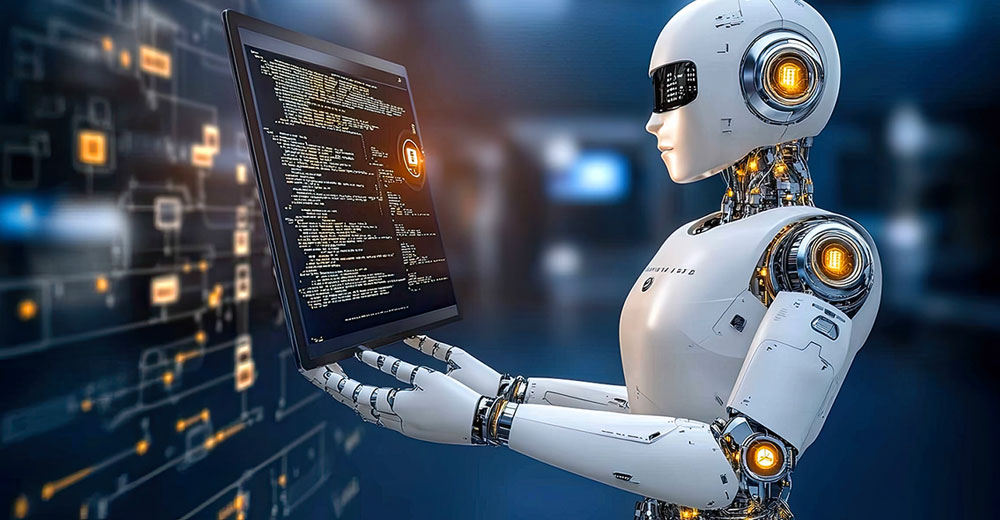
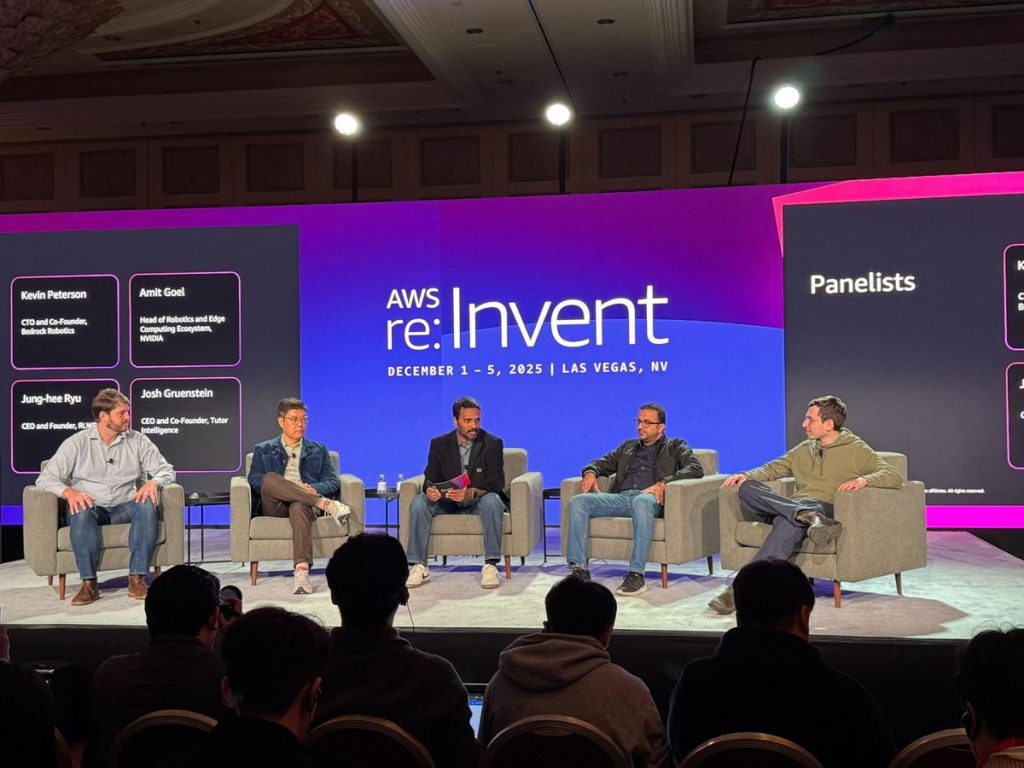
Leaders at RLWRLD, a startup that has been in focus of late, believe that “physical AI”-a term referring to intelligence in robots and machines-offers the most realistic way forward to solve labor shortages, especially in manufacturing contexts.
RLWRDLS’ work is more than just talk. The company’s work is focused on building “robotics foundation models” so robots don’t just follow pre-programmed routines, but learn and adapt like humans-giving them dexterity, flexibility, and a capacity to handle complex real-world tasks. For industries suffering from labor shortages, particularly those requiring a lot of repetitive or physically demanding work, this may herald a sea change. As robotics gets cheaper and AI more advanced, “machines instead of people” might finally become economically feasible for many tasks.
But Big-Tech AI Is Also Facing a Regulatory Storm
European regulators are taking action against AI technology companies as part of their goal to better regulate the use of artificial intelligence in the tech industry. There are numerous regulators around Europe that are now beginning to investigate the use of artificial intelligence by businesses that utilise AI every day, including Meta Platforms (owned by Instagram and Facebook), who are currently being investigated by the European Commission regarding their use of artificial intelligence in the operation of their messaging platform, WhatsApp. This investigation is being conducted to determine if Meta’s use of its own proprietary AI system to give it exclusive and preferential access to the platform has resulted in an unlevel playing field for competing third-party vendors. (Big Tech AI)
The investigation includes a broader question about the future of AI in communication on digital platforms. Regulators in Europe will be looking at whether AI is used to provide competitive advantages to companies using AI or if it is a supplemental benefit to users. Depending upon the outcome of this investigation, the European Commission may impose fines on Meta or establish new regulatory measures regarding how all AI-enabled solutions are made available to customers; this will ultimately have a direct influence on the ability of these solutions to compete in the global marketplace.

Safety Concerns: Are AI Firms Ready for the Real World?
Alongside the innovation and regulatory drama is a growing chorus of concern: according to a new report by a leading expert panel, many of the world’s top AI firms, including those pushing the cutting edge of automation “fall significantly short” of emerging global safety standards.
The report argues that though companies are racing to deploy AI, from chatbots to robots, few have credible strategies to control “superintelligent” systems or manage long-term societal risks. Reuters This underlines the deeper tension of wanting AI to transform economies and fill labor gaps, but rushing deployment without strong safety, transparency, and regulation may pose grave risks. (Safety practices fail)

What This Means for Businesses, Workers, and Societies
- Manufacturing and Industry: The rise of physical AI indicates the future possibility of AI Robots being a fundamental part of manufacturing. Robots could help alleviate labour shortages, lower expenses, and allow around-the-clock manufacturing capabilities.
- Social Media/Tech Start-up Companies: Due to the increased scrutiny on Large Technology Companies such as Meta regarding the implementation of Artificial Intelligence (AI) technologies, there will be regulatory challenges in addition to existing structures of competition that will change the way AI is used in the workplace.
- Workers and Communities: The impact of automation will likely create new jobs, while some jobs will be eliminated and others will be reshaped. New jobs such as Robot Maintenance, Artificial Intelligence Supervisors, and Data Ops will result from this automation process. If adequate social safety nets (government policy) are not in place at this time, there could be significant disruptions to the workplace.
All of Society: The societal implications relate not only to convenience but also to power, control and ethical considerations. The recent articles also indicate that companies need to have a long-term strategy regarding their AI and safety policies.

Navigating the Future: How Organizations Like Sprit Network Can Help
In an era that is rapidly changing and full of new possibilities, organizations that possess the technical knowledge as well as the ability to predict potential ethical issues will be extremely important and needed. Sprit Network has many tools to provide organizations with guidance regarding risk assessment frameworks, implementation of new physical-AI processes, and assistance in developing secure, ethical, and responsible AI systems. By combining innovative and responsible thinking, Sprit Network provides assistance to both businesses and communities not only to prepare for but to face the challenges brought about by Artificial Intelligence (AI).
